Attic Mold Remediation in Renton, WA
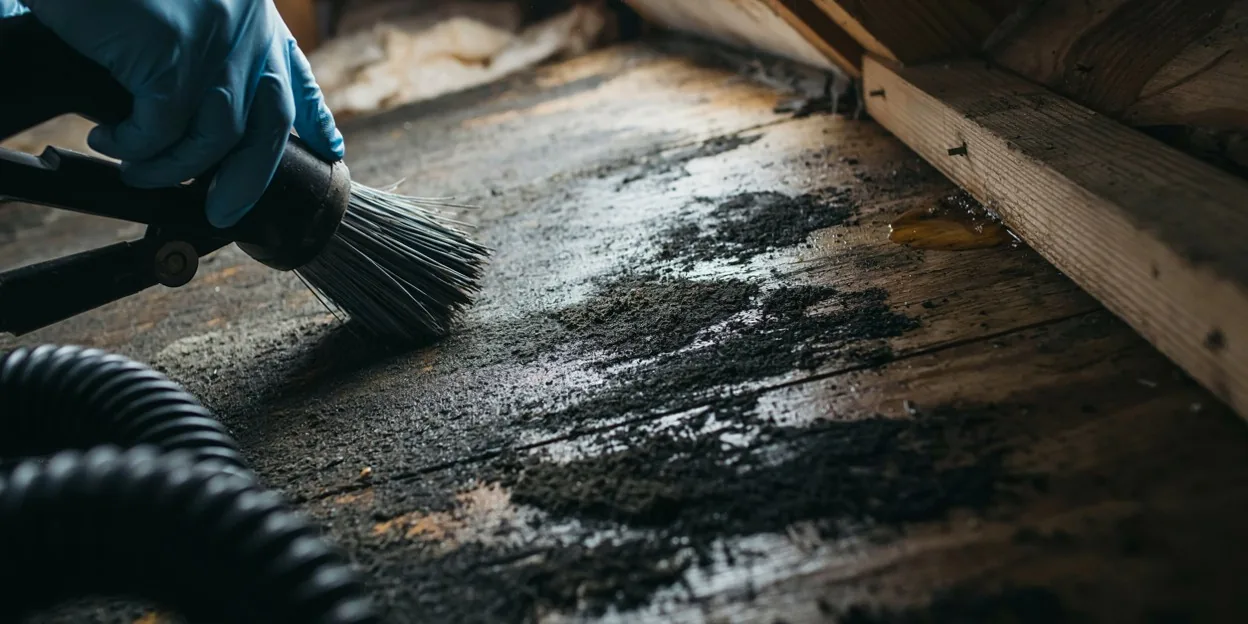
The house went under contract in February and the buyer's inspector came back with a photo you had never seen: the roof plywood above the master bedroom is dark gray to black across the whole north slope, with frost on the nails. The shingles went on eleven years ago and have never let water through. The house is a 1979 two-story in Kennydale with three bathrooms and a dozen recessed lights in the top-floor ceilings. This site connects you by phone with an independent local provider who does attic mold remediation in Renton and across King County.
Finding where the warm, wet air gets in
Growth on a Renton roof deck is almost always condensation, and condensation needs a supply of warm, damp air from the house. The provider goes into the attic and looks for the leaks in the ceiling plane: bath fans venting into the insulation, recessed lights with gaps around them, an attic hatch with no seal, a chimney chase open at the top. Then they look at how the attic breathes, checking whether the soffit vents are blocked by insulation and whether there is any outlet at the ridge.
They meter the sheathing and the rafters and note where the growth is heaviest, which is usually the north slope and the corners where the air moves least. If a real roof leak is in the mix, the stain pattern gives it away and the roofer gets called first.
Pull the batt off the soffits and stop the fans from exhaling into the attic
Before anyone cleans anything, the sources have to be stopped or the deck is dark again by March. The crew or an electrician seals the recessed lights and the hatch, the bath fan ducts are run to roof or wall caps, and the insulation that has been shoved into the soffit bays is pulled back so air can move from the eaves to the ridge. If the attic has no ridge or roof vents, that gets added, and that is roofing work.
Until then, run the bath fans longer and keep the attic hatch closed tight. Do not spray the plywood from a ladder. A coating over damp wood looks better for a season and hides what the next inspector needs to see.
Deck cleaned and treated, insulation under the worst of it replaced
Inside containment, with the attic hatch sealed and a HEPA scrubber exhausting outside, the crew HEPA vacuums the sheathing and rafters, then cleans the wood by hand, by media blasting, or by abrasive scrubbing depending on how deep the growth has gone. The deck is dried and treated with an antimicrobial, and the stains that remain are documented so a future inspector can tell old marks from new growth. Insulation that was wet under the heaviest growth is bagged and replaced.
A bathroom whose fan was dumping into the attic gets its ceiling looked at too; that is bathroom mold removal. If the deck is dark because the whole house is damp from a wet crawl space up, the attic becomes one zone of whole-home mold remediation. Patching the ceiling around the new fan ducts and sealed lights is mold damage repair.
Cold decks, warm houses, and a sale on the calendar
A Puget Sound attic sits in the high thirties and low forties for most of December through February, and the roof deck is the coldest surface in the house. The 1970s and 1980s houses in Kennydale, Rolling Hills, Tiffany Park, and the Highlands were built with a generation of recessed lights and bath fans that nobody expected to be airtight, and insulation added later often buried the soffit vents. The result is a roof deck that is wet every winter morning without a drop of rain getting through the shingles.
Washington has no mold license, and the provider represents its own training; the venting, electrical, and roofing fixes need a contractor registration with the state Department of Labor and Industries, and adding roof vents or rewiring lights can need a City of Renton permit. Attic condensation is a maintenance issue in the eyes of most homeowner policies, so the crew's before-and-after photographs usually matter more to the buyer than to an adjuster.
Calling about a dark roof deck in a Renton attic
Have the address, the age of the roof, and whether the dark area is on one slope or all of them. Say how many bath fans the house has and where they vent if you know, whether a sale is pending, and whether anyone has sprayed the plywood already. Call (425) 584-6572.